
- Home/
- Buy Furosemide in Online Pharmacy – Fast Delivery in United Kingdom
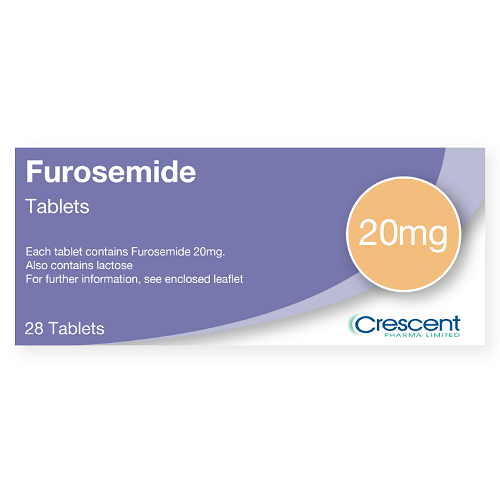
Direct Answer and Key Points: Prescription, Safety, and Access in United Kingdom
No, you cannot obtain Furosemide without a prescription in United Kingdom. Furosemide is a prescription-only medicine (POM) as classified by the Medicines and Healthcare products Regulatory Agency (MHRA). Purchasing it without a prescription is illegal and potentially dangerous.
Furosemide, commonly used to treat fluid retention (oedema) due to heart failure, liver, or kidney disease, must only be used following medical evaluation. Self-medication can lead to serious complications, including electrolyte imbalance and dehydration.
Summary of Furosemide: Key Facts 2026
- Active ingredient: Furosemide (a loop diuretic)
- Legal status in United Kingdom: Prescription-only medicine (POM)
- Primary use: Treatment of oedema due to heart, liver, or kidney disease; hypertension (less common in UK)
- Onset of action: 30–60 minutes after oral administration; peak effect in 1–2 hours
- Maximum daily dosage: Usually not to exceed 1,500 mg daily (refer to section below)
- Common side effects: Low potassium, dehydration, dizziness
- Prescription required in UK?: Yes, always
- Price (2026, UK): Approximately £1–£4 per 28-tablet pack (40 mg generic)
What is Furosemide, and What Does It Treat?
Furosemide is a potent loop diuretic, also known as a “water tablet.” It works by increasing the kidneys’ ability to remove excess salt and water from the body through urine. In the United Kingdom, Furosemide is most widely prescribed for:
- Oedema: Swelling due to chronic heart failure, liver cirrhosis, or kidney disease
- Hypertension: High blood pressure, particularly when other medications are unsuitable (less common indication)
- Acute pulmonary oedema: Emergency treatment to rapidly remove excess fluid from the lungs
Furosemide does not cure underlying conditions but helps manage fluid build-up and its symptoms. It is included in the NHS guidelines for the management of heart failure and severe fluid overload.
How Does Furosemide Work? Scientific Explanation Plus Metaphor
Pharmacology: Furosemide inhibits the sodium-potassium-chloride (Na+-K+-2Cl–) co-transporter in the thick ascending limb of the loop of Henle in the kidney. This prevents reabsorption of sodium and chloride, leading to increased excretion of salt and water.
Biochemical Pathway: By blocking this transporter, Furosemide reduces the concentration gradient required for water reabsorption. The result is a dramatic increase in urine production, removal of excess fluid, and—over time—reduced blood pressure. This action is independent of hormonal triggers and works consistently as long as kidney function is adequate.
Metaphor: Imagine the kidneys as a filter with a recycling mechanism. Furosemide disables part of this recycling, causing the “tap” to run faster: more fluid leaves, taking salt with it.
Important nuance: Furosemide is less effective when kidney function is severely impaired. In these cases, higher doses or alternative therapies may be needed (PubMed, 2024).
Expert Commentary from doctor
In my clinical experience, the most common mistake patients make is assuming Furosemide can be used “as needed” for any swelling. This is risky. Furosemide should only be used under regular monitoring, especially for electrolytes like potassium and sodium. Many overlook the importance of daily weight monitoring and miss early signs of dehydration or kidney strain. I always advise my patients to keep a fluid diary and report symptoms such as unexplained weakness or confusion promptly. It is vital to avoid abrupt dose changes without consulting your doctor, as sudden fluid shifts can be hazardous, particularly in older adults or those with cardiac problems.
How to Take Furosemide: Dosage, Timing, and Peak Effects
- Initial dose:
- Adults: typically 20–40 mg once daily (may be increased if needed)
- Elderly: often start lower, e.g., 20 mg once daily
- Children: weight-based dosing; specialist supervision required
- Maximum dose: Up to 1,500 mg per day in divided doses (hospital setting only; never for routine use at home)
- Route: Oral tablets or liquid. Some hospitalised patients may have intravenous administration.
- Timing: Take in the morning to avoid nocturia (night-time urination). If prescribed twice daily, take second dose before 4pm.
- Onset: 30–60 minutes after oral dose; peak effect at 1–2 hours; duration 6–8 hours
- Tablet splitting: Standard 20 mg and 40 mg tablets are scored and can be halved if needed. Always check with your pharmacist as some brands may differ.
Adjustments:
- Elderly or those with reduced kidney function may require dose reduction and closer monitoring
- Do not double-up if a dose is missed; take the next dose at the usual time
Never exceed prescribed dosage. Overdose risks include severe dehydration, shock, and life-threatening electrolyte imbalance.
Food, Drinks, and Lifestyle: What Combines and What Clashes with Furosemide?
- Should I take Furosemide with food?
- Furosemide can be taken with or without food. However, a high-fat meal may delay absorption by up to 1 hour but does not generally affect eventual efficacy. If you experience stomach upset, take with food or milk.
- Can I drink alcohol while taking Furosemide?
- Alcohol is not recommended as it may worsen dizziness, dehydration, and hypotension. Small amounts (1 unit) may be tolerated in some individuals, but always confirm with your doctor.
- Grapefruit juice interaction?
- No specific interaction has been reported between grapefruit juice and Furosemide. However, avoid excessive intake as it may affect the absorption of some medicines.
- Is caffeine a problem?
- Caffeine may increase urination further and can worsen dehydration risk.
- Lifestyle notes:
- Monitor daily fluid intake, avoid excess salt, and report any rapid weight changes. Inform your doctor if you use herbal supplements or over-the-counter remedies.
| Product | Can Combine? | Possible Consequences |
|---|---|---|
| Paracetamol | Yes | Safe in normal doses |
| Ibuprofen | With caution | May reduce kidney function |
| ACE inhibitors (e.g. Ramipril) | With caution | Risk of low blood pressure or kidney impairment |
| Alcohol | No | Increases dehydration and dizziness risk |
| NSAIDs | With caution | May reduce effectiveness; kidney risk |
Who Should Not Take Furosemide? Detailed Contraindications and Red Flags
- Allergy to Furosemide or sulphonamides
- Severe hypokalaemia (low potassium)
- Severe hyponatraemia (low sodium)
- Anuria (failure to produce urine)
- Hepatic coma or severe liver failure
- Severe dehydration or low blood volume
- Pregnancy (unless benefits outweigh risks and only under specialist supervision)
- Gout (may worsen uric acid retention)
- Diabetes mellitus (may increase blood sugar)
- Prostatic enlargement (may worsen urinary retention)
- Severe kidney impairment (effectiveness reduced, risk of toxicity higher)
- Concurrent use with lithium, aminoglycoside antibiotics, or high-dose salicylates (may increase toxicity)
Furosemide causes rapid water and electrolyte loss. In patients with very low potassium or sodium, or with impaired kidneys, this can be fatal. Using it with certain blood pressure medications or non-steroidal anti-inflammatory drugs (NSAIDs) increases the risk of kidney injury.
Furosemide is not routinely used within the first 24–48 hours after a heart attack unless fluid overload is severe and closely monitored.
What Side Effects Are Most Common with Furosemide—and Which Are Serious?
| Frequency | Side Effect | Why Does It Happen? | What Should I Do? |
|---|---|---|---|
| Very common (>1 in 10) | Low potassium (hypokalaemia) | Increased urinary loss of potassium | Routine blood tests, report muscle weakness |
| Very common | Dehydration, dizziness | Rapid fluid loss | Monitor weight, stay hydrated, report fainting |
| Common (1 in 100) | Increased urination | Expected effect | Plan doses to avoid night-time trips |
| Common | Low sodium (hyponatraemia) | Urinary loss of sodium | Report confusion, seizures immediately |
| Rare (<1 in 1,000) | Hearing loss (ototoxicity) | High dose, especially intravenous | Report ringing in ears, stop medication |
| Rare | Allergic reactions (rash, swelling) | Immune response | Seek urgent medical help |
| Very rare (<1 in 10,000) | Pancreatitis, severe liver dysfunction | Unknown, idiosyncratic | Urgent medical review |
Action plan: If you develop symptoms like extreme fatigue, muscle cramps, irregular heartbeats, confusion, or sudden weight loss, contact your GP or NHS 111 urgently. For severe allergic reactions (swelling, difficulty breathing), call 999.
Common Patient Mistakes Observed by doctor
- Taking “extra” tablets for more rapid effect: This increases risk of dehydration, low potassium, and kidney injury. Never change your dose without discussing it with your doctor.
- Skipping blood tests: Monitoring electrolytes is crucial; missed tests can allow dangerous imbalances to go unnoticed. Set reminders for regular check-ups.
- Ignoring daily weight monitoring: Sudden weight loss or gain may signal fluid imbalance or worsening heart failure. Keep a daily diary and inform your care team of changes over 2kg in a few days.
- Stopping Furosemide abruptly: This can cause rapid fluid build-up or rebound hypertension. Always consult your doctor before making changes.
- Mixing with over-the-counter painkillers (NSAIDs): Combining with ibuprofen or similar drugs can damage kidneys. Always check before taking new medications.
- Assuming “water tablets” are safe for all swelling: Swelling can have many causes—Furosemide will not help if fluid is not the problem. Get a diagnosis before starting.
Furosemide Versus Other Diuretics: Table and Commentary
| Medicine | Onset Speed | Duration | Common Side Effects | Average Price (UK, 2026) | Usual Indication |
|---|---|---|---|---|---|
| Furosemide | 30–60 min (oral) | 6–8 h | Low potassium, dehydration, dizziness | £1–£4 / 28 tablets (40 mg) | Oedema (heart, liver, kidney) |
| Bumetanide | 30–60 min | 4–6 h | Low potassium, muscle cramps | £2–£5 / 28 tablets (1 mg) | Similar to Furosemide; used if Furosemide ineffective |
| Bendroflumethiazide | 1–2 h | 12–24 h | Low sodium, gout | £1–£3 / 28 tablets (2.5 mg) | Hypertension, mild oedema |
Commentary: Furosemide is preferred for rapid, significant fluid removal but carries a higher risk of profound electrolyte loss than thiazide diuretics. Bumetanide is often chosen if patients have not responded to Furosemide or have absorption issues. Thiazides are less potent but have a longer duration, making them suitable for long-term blood pressure control. All require prescription and monitoring.
Questions Frequently Asked to doctor
- Can I use Furosemide every day?
- In many cases, yes—but only if your doctor has prescribed a daily regimen and you’re having regular blood tests. Never self-adjust your schedule.
- What should I do if I miss a dose?
- If it’s just a few hours late, take it as soon as you remember. If near your next dose, skip the missed tablet—never double up. Record the missed dose and notify your GP at your next review.
- Is it safe to take Furosemide with my other medicines?
- Often, yes, but medicines for high blood pressure, NSAIDs, lithium, or diabetes may interact. Always provide an updated medicine list at every appointment.
- Will Furosemide affect my ability to drive?
- Furosemide may cause dizziness or fainting, especially when starting or increasing the dose. Do not drive if you feel dizzy, lightheaded, or unwell.
- Does Furosemide cause dependence?
- Furosemide is not addictive, but your body can become reliant on it for fluid balance. Abruptly stopping may cause symptoms to return quickly, especially in heart failure.
- Is it safe during pregnancy or breastfeeding?
- Generally avoided, unless benefits outweigh risks. Only used under close specialist supervision.
- Can older adults use Furosemide safely?
- Yes, but with extra caution. Elderly patients are at greater risk for dehydration and confusion. Lower starting doses and more frequent monitoring are needed.
Furosemide Essential Information Table
| Parameter | Value |
|---|---|
| Active ingredient | Furosemide |
| UK Prescription Status | POM (Prescription Only Medicine) |
| Common Brand Names | Lasix (rare in UK), generic “Furosemide” most common |
| Tablet Strengths | 20 mg, 40 mg |
| Peak Effect (Oral) | 1–2 hours after dose |
| Duration of action | 6–8 hours |
| Average NHS Price | £1–£4 (28 x 40 mg) |
| Storage | Below 25°C, dry place |
| Prescription Renewal | Regular GP or specialist review required |
How to Obtain Furosemide Legally in United Kingdom: Step-by-Step
-
Consultation:
Book an appointment with your GP or a specialist (cardiologist, nephrologist, or endocrinologist). This can often be done in-person or via NHS online/telephone services. -
Assessment:
The doctor will assess your symptoms, perform physical examination, and arrange blood tests (electrolytes, kidney function). -
Prescription Issued:
If Furosemide is indicated, your doctor will issue a prescription (paper or electronic). -
Pharmacy Dispensing:
Take your prescription to a local community pharmacy or use a registered online pharmacy (displaying the MHRA green cross logo and GPhC registration). -
Follow-up:
Attend regular monitoring appointments and blood tests as advised. Never obtain refills from unverified sources.
Tip: Telemedicine is available for NHS and private patients. Both routes require a full assessment before prescribing. See NHS digital services for more.
Is It Legal and Safe to Buy Furosemide Online in United Kingdom?
Legality: Only registered online pharmacies (displaying the green cross logo and regulated by the General Pharmaceutical Council) may sell Furosemide with a valid prescription. Buying from any website that does not require a prescription is illegal and risks customs seizure, legal penalties, and serious health harm.
Patient protection: The prescription requirement in the UK is there to protect you from counterfeit or unsafe medicines. Buying from overseas or unlicensed sites carries a high risk of fake or contaminated products.
- Always: Check pharmacy registration (GPhC pharmacy register)
- Never: Use websites offering Furosemide without a prescription, claiming “no prescription needed”, or with prices “too good to be true”.
How to Spot Counterfeit Furosemide: Packaging, Safety, and Quality Checks
- Original packaging: UK-approved Furosemide comes in blister packs or bottles with the drug name, strength (20 mg or 40 mg), batch number, expiry date, and manufacturer details.
- Security features: Look for tamper-evident seals, clear batch numbering, and in some cases, QR codes (increasingly used by major manufacturers from 2025 onwards).
- Appearance: Tablets are usually white or off-white, round or oval, and scored. There should be no powder, crumbling, or off-odours.
- Too cheap? An unusually low price is a classic warning sign of counterfeits or unregulated imports.
- If in doubt: Check with your pharmacist or use the MHRA Yellow Card scheme to report suspected counterfeits.
Quality Check Block: If your Furosemide packaging lacks English-language labelling, is missing mandatory batch/expiry data, or arrives without a prescription—do not use it and report immediately.
Original vs Generic Furosemide: Which Should I Choose?
- Original: The now off-patent brand Lasix is rarely used in the UK for cost reasons.
- Generic: Most patients receive generic Furosemide. These contain the same active ingredient and must meet identical MHRA quality and safety standards.
- Excipients (fillers, binders): May differ slightly between brands. If you have known allergies, notify your pharmacist.
- Advantages of generics: Lower cost, widely available, NHS-approved.
- What to do if switching: Report any new symptoms (rash, stomach upset) after a brand change, as in rare cases excipients may cause reactions.
Bottom line: For most people, generic Furosemide is equally effective and safe. There is no clinical advantage to paying more for branded versions.
Furosemide Pharmacokinetics: How the Body Handles This Medicine
- Absorption: Well-absorbed from the gut (60–70%), but slower and less predictable with severe heart or kidney failure.
- Peak blood level: 1–2 hours after oral dose
- Metabolism: Minimal, mostly excreted unchanged in urine via the kidneys.
- Elimination half-life (T1/2): 1–2 hours (longer in kidney/liver impairment—up to 24 hours)
- Excretion: >80% via urine, some via bile (faeces)
Practical note: In chronic kidney or liver disease, Furosemide remains in the body longer and may have exaggerated effects. Dose adjustments and extra monitoring are necessary.
Is Furosemide Safe for Special Patient Groups? Elderly, Pregnancy, Children
- Elderly: Increased risk of dehydration, confusion, and falls. Use lower doses, monitor electrolytes frequently.
- Children: Use only under specialist supervision, as dosage must be matched precisely to body weight and kidney function.
- Pregnancy: Not routinely recommended; use only if benefits outweigh risks and under specialist care.
- Breastfeeding: Small amounts may pass into breast milk; avoid unless essential.
- Fertility: No evidence of harm to fertility, but acute dehydration should be avoided.
- Driving/operating machinery: If you feel dizzy, weak, or unwell, do not drive or operate heavy equipment.
Overdose: What to Do If You’ve Taken Too Much Furosemide
- Stop taking Furosemide immediately.
- Seek medical help: Call NHS 111 or, for severe symptoms (fainting, collapse, confusion), dial 999 for emergency services.
- Inform medical personnel: Clearly state the medicine, dose, and time taken.
- Do not attempt to self-treat: Severe cases require intravenous fluids, electrolyte replacement, and close monitoring in hospital.
Symptoms of overdose: Severe dehydration, rapid heartbeat, confusion, muscle cramps, or sudden hearing loss.
When Furosemide Doesn’t Work: Next Steps and Alternatives
If Furosemide seems less effective:
- Check adherence—ensure you are taking it as prescribed and not missing doses.
- Have your doctor evaluate for diuretic resistance (tolerance may develop in chronic heart or kidney failure).
- Alternative loop diuretics (e.g., bumetanide) or combination with thiazide diuretics may be considered under specialist care.
- Non-drug measures, like dietary sodium restriction and fluid management, are vital and sometimes underused.
Myth: “If Furosemide stops working, I just need a higher dose.”
Reality: Higher doses can be dangerous—speak to your doctor about possible underlying causes or alternative therapies.
In short: Furosemide is not a cure-all. It should always be part of a broader management plan.
Empathy and Support: You’re Not Alone
Fluid retention, heart failure, and chronic kidney problems affect many people in United Kingdom. If you feel worried, overwhelmed, or embarrassed about swelling or the need for frequent monitoring, remember: these conditions are common, and help is available. Discuss concerns openly with your doctor or nurse, and consider reputable support groups for additional information and companionship.
Professional Opinion of doctor
In my view, Furosemide remains the cornerstone of oedema management in patients with chronic heart, liver, or kidney disease within United Kingdom. Its ability to rapidly mobilise excess fluid improves both symptoms and quality of life. However, the need for regular monitoring cannot be overstated—electrolyte imbalances can creep up silently. I find Furosemide most suitable for those who commit to daily weight checks, regular blood tests, and close follow-up. On the other hand, patients with only mild fluid build-up, or those who struggle with compliance, may benefit from less potent or longer-acting diuretics. I also stress the importance of addressing underlying causes and combining drug therapy with lifestyle changes. Whenever possible, I work alongside a multidisciplinary team involving pharmacists and dieticians to optimise outcomes.
FAQs about Furosemide in United Kingdom
- Is Furosemide available without prescription in United Kingdom?
- No, it is prescription-only and illegal to obtain otherwise.
- How quickly does Furosemide work?
- It usually starts to take effect within 30–60 minutes of an oral dose.
- What should I do if I feel dizzy after taking Furosemide?
- Sit or lie down immediately, stay hydrated, and contact your doctor if dizziness persists.
- Can I take painkillers with Furosemide?
- Paracetamol is safe, but NSAIDs (like ibuprofen) should only be used under medical advice due to kidney risk.
- Will Furosemide interact with my blood pressure medicines?
- It may. Always inform your GP about all medications you are using.
- Is it normal to urinate more after taking Furosemide?
- Yes, increased urination is expected and indicates the medicine is working.
- Can I drive while taking Furosemide?
- Do not drive if you feel dizzy or faint; otherwise, driving is usually safe.
- Does Furosemide cause weight loss?
- It causes loss of fluid, not fat. Sudden or excessive weight loss should be reported.
- How do I renew my prescription?
- Contact your GP for regular reviews and prescription renewal. Do not use unlicensed online sources.
- Are generics as safe as branded Furosemide?
- Yes, generics are MHRA-approved and equally effective for most people.
References
- NHS. Furosemide. Accessed 2026. https://www.nhs.uk/medicines/furosemide/
- MHRA. Medicines: Safe online purchasing. Accessed 2026. https://www.gov.uk/guidance/medicines-mhra-guidance
- PubMed. Clinical updates in diuretic therapy, 2024. https://www.ncbi.nlm.nih.gov/pmc/articles/PMC10073014/
- Mayo Clinic. Furosemide: Drug information. Accessed 2026. https://www.mayoclinic.org/drugs-supplements/furosemide-oral-route/description/drg-20071281
- European Medicines Agency (EMA). Furosemide assessment report. Accessed 2026. https://www.ema.europa.eu/en
- General Pharmaceutical Council (GPhC). Pharmacy register. Accessed 2026. https://www.pharmacyregulation.org/registers/pharmacy
- WHO. Furosemide—Essential medicines list. Accessed 2026. https://www.who.int/medicines/publications/essentialmedicines/en/