
- Home/
- Buy Ivermectin in Online Pharmacy in the United Kingdom
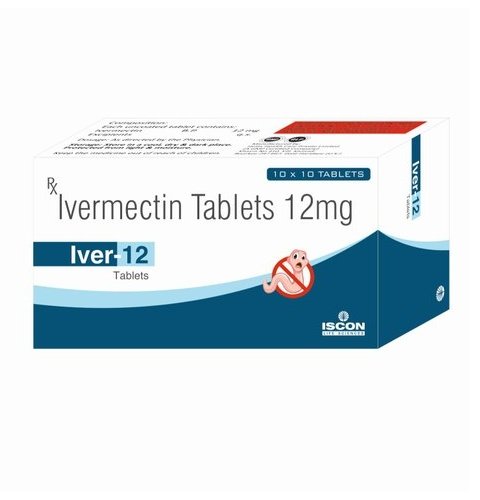
Ivermectin in the United Kingdom: Complete Expert Guide for Safe, Legal, and Effective Use (2026)
Direct Answer: In the United Kingdom, Ivermectin is a prescription-only medicine (POM). It is illegal and unsafe to obtain or use Ivermectin without a valid prescription from a qualified medical professional. The Medicines and Healthcare products Regulatory Agency (MHRA) controls its distribution.
Summary Table: Key Facts about Ivermectin in the UK (2026)
| Parameter | Current Data (2026) |
|---|---|
| Active Ingredient | Ivermectin |
| Therapeutic Class | Antiparasitic agent |
| Prescription Requirement | Yes, prescription only |
| Most Common Use | Treatment of parasitic infections (e.g., scabies, strongyloidiasis) |
| Main Contraindication | Known hypersensitivity to Ivermectin or excipients |
| Legal Online Purchase | Only via MHRA-registered pharmacies with prescription |
| Typical Cost (per tablet 3mg) | £2–£8 (varies by manufacturer and pharmacy) |
| Onset of Action | Within 1–2 hours (systemic infections) |
| Reimbursement | May be covered by NHS for approved indications |
How Does Ivermectin Work in the Body?
Ivermectin is an antiparasitic agent that acts by binding selectively to glutamate-gated chloride channels present in invertebrate nerve and muscle cells. This binding leads to an increased influx of chloride ions, causing hyperpolarisation of the cell, paralysis, and death of the parasite. In simple terms, it “shuts down” the nervous system of specific parasites, stopping them from moving, feeding, and eventually leading to their expulsion from the body.
- Biochemical Target: Glutamate-gated chloride channels (not present in mammals).
- Effect on Humans: Minimal when used at therapeutic doses because human nerve and muscle cells lack these specific channels. However, high doses can affect GABA-mediated neurotransmission, especially if the blood-brain barrier is compromised.
- Onset: Effects typically begin within 1–2 hours after oral administration for systemic infections.
Metaphor: Think of Ivermectin as a “locksmith” that jams the doors (channels) in the parasite’s nerves, stopping all signals and movement, leading to paralysis without harming your body’s own nerve cells.
Recent UK clinical guidelines (2025–2026) confirm that Ivermectin’s mechanism is unchanged, but research is ongoing into its potential impacts on other parasitic and viral agents; however, no new licensed indications have been issued as of 2026.
For more on the biochemistry, see the European Medicines Agency and PubMed.
Myth vs Reality: Myth: Ivermectin is a broad-spectrum antiviral. Reality: No conclusive clinical evidence supports the use of Ivermectin as a COVID-19 or general antiviral treatment in the UK. Its use is restricted to parasitic conditions as approved.
Expert Commentary from doctor
In my clinical practice, confusion about Ivermectin’s mechanism is common. Many patients mistakenly believe it’s an “immune booster” or a universal cure. The reality is that Ivermectin is highly effective against certain parasites but does not affect viruses or bacteria in humans at approved doses. I often remind patients that correct dosing and diagnosis are critical: using it for the wrong condition is not only ineffective but can delay proper treatment and lead to unnecessary side effects. Always consult a qualified GP or infectious disease specialist before considering Ivermectin, especially given the prevalence of counterfeit products online.
What is the Correct Dosage and How Should I Take Ivermectin?
- Standard adult dose (oral): For strongyloidiasis: 200 micrograms/kg as a single dose. For scabies: usually 200 micrograms/kg, repeated after 1–2 weeks if necessary. Children (≥15 kg) follow weight-based dosing; not recommended under 15 kg.
- Maximum daily dose: Should never exceed 400 micrograms/kg/day. Never self-adjust dose.
- Tablet splitting: Most UK formulations (3 mg, 6 mg) can be split along the scored line if dose adjustment is required, but check the specific brand’s leaflet.
- Timing: Take on an empty stomach (at least 1 hour before or 2 hours after food) to optimise absorption.
- Duration of therapy: Varies by indication—from a single dose to repeated doses over several days or weeks as directed by your prescriber.
- Onset and peak effect: Effects begin within 1–2 hours; blood levels peak at about 4–5 hours after ingestion.
- Elderly and liver/renal impairment: Use with caution; dose adjustment may be necessary, especially in those with hepatic dysfunction. Consult your doctor for tailored advice.
Never exceed the prescribed dose or use more frequently than advised.
Always follow your doctor’s instructions and the Summary of Product Characteristics from the MHRA. For further details, review NHS guidance: NHS.
What Should I Know About Food, Drink, and Lifestyle with Ivermectin?
- Impact of Food
- Fatty meals significantly increase absorption (AUC ↑ by up to 2.5x), which can raise side effect risk. For most indications, Ivermectin should be taken on an empty stomach unless otherwise advised. If you accidentally take it with food, notify your prescriber.
- Alcohol
- Strict moderation is advised. While no direct interaction with small amounts of alcohol has been confirmed, alcohol can stress your liver and increase risk of side effects or toxicity, especially in those with hepatic impairment. Do not drink alcohol for at least 24 hours after taking Ivermectin.
- Grapefruit Juice
- Grapefruit and some citrus juices may inhibit CYP3A4 enzymes and could theoretically elevate Ivermectin blood levels—avoid co-administration.
- Other Lifestyle Factors
- Maintain hydration; avoid strenuous activity if you feel dizzy or unwell after your dose. Alert your prescriber if you experience unusual fatigue, confusion, or gastrointestinal symptoms.
For more detailed drug interaction profiles, see the electronic Medicines Compendium (eMC).
What Are the Main Contraindications and Red Flags for Ivermectin?
| Type | Contraindication | Why? |
|---|---|---|
| Absolute | Known hypersensitivity/allergy to Ivermectin or tablet excipients | Risk of severe allergic reaction (anaphylaxis) |
| Absolute | Children under 15 kg or <5 years old | Insufficient safety data; higher toxicity risk |
| Absolute | Concurrent use with certain CNS depressants (e.g., barbiturates, benzodiazepines) | Risk of central nervous system toxicity |
| Relative | Liver disease (especially decompensated cirrhosis) | Reduced metabolism; higher risk of accumulation and toxicity |
| Relative | Pregnancy (especially first trimester) | Insufficient evidence of safety for unborn child |
| Relative | Impaired blood-brain barrier (e.g., meningitis, advanced HIV/AIDS) | Increased risk of neurotoxicity |
| Relative | Breastfeeding (unless benefit outweighs risk) | Small amounts may be present in breast milk |
| Relative | Severe renal impairment | Limited elimination data; cautious use advised |
After recent heart attack, stroke, or acute illness: Wait for doctor’s clearance before use. Always provide a full list of current medicines and conditions to your prescriber.
For full contraindication lists, consult the MHRA.
What Side Effects Are Most Common with Ivermectin?
Ivermectin is generally well tolerated in approved doses, but side effects can occur. Side effects are grouped below by frequency (WHO/EMA classification).
- Very common (>1/10):
- Headache
- Dizziness
- Gastrointestinal upset (nausea, diarrhoea, loss of appetite)
- Common (>1/100, <1/10):
- Fatigue
- Fever (sometimes due to parasite die-off reaction)
- Itching or rash (especially in scabies treatment)
- Rare (>1/10,000, <1/1,000):
- Low blood pressure (dizziness, fainting)
- Visual disturbances (blurred vision, photophobia)
- Elevated liver enzymes
- Very rare (<1/10,000):
- Severe allergic reaction (anaphylaxis, angioedema)
- Seizures or loss of consciousness (especially with overdose or CNS risk factors)
Why do these effects occur? Most are due to the body’s reaction to dying parasites or Ivermectin’s action on nerve cells. Allergic and neurological effects are extremely rare when the medicine is used as prescribed.
What to do if side effects occur:
- Mild symptoms: Contact your doctor and monitor closely.
- Severe symptoms (swelling, breathing difficulty, severe confusion): Call 999 or seek emergency help immediately.
For more, see NHS Ivermectin and MHRA Drug Safety Update.
Common Patient Mistakes Observed by doctor
- Taking Ivermectin without a clear diagnosis. Many patients purchase Ivermectin online for unapproved uses (e.g., viral infections), which is ineffective and delays proper treatment.
- Ignoring dosing instructions. Skipping or doubling doses “to catch up” increases risk of toxicity or poor efficacy. Always stick to your prescribed schedule.
- Combining with alcohol or grapefruit juice. Even small amounts can impact absorption or metabolism, especially in patients with liver conditions.
- Sharing medication with others in the household. Doses are weight-specific and individualised. Sharing can result in underdosing or overdose.
- Using with other CNS-active medicines without telling their GP. May increase sedation or neurotoxicity risk.
- Not checking for official pharmacy accreditation when purchasing online. This greatly increases the risk of receiving a counterfeit or substandard product.
- Stopping the medicine prematurely if skin symptoms worsen initially (scabies “die-off”). This reaction is common and usually temporary. Consult your doctor before stopping.
Avoid these mistakes by following your prescriber’s advice, reading the leaflet, and sourcing medicines only from official UK pharmacies.
How Does Ivermectin Compare to Alternatives?
| Medication | Main Indication | Onset Speed | Duration | Common Side Effects | Cost per Tablet (2026, UK) | Notes |
|---|---|---|---|---|---|---|
| Ivermectin | Scabies, strongyloidiasis | 1–2 hours | 7–14 days for scabies efficacy; up to 1 month for full clearance | Headache, GI upset, itching | £2–£8 | Needs prescription |
| Benzyl Benzoate (topical) | Scabies | Immediate, local | Reapply 1–2 times over 7 days | Skin irritation, burning | £3–£6 per bottle | OTC for some indications |
| Permethrin (topical) | Scabies, lice | Immediate, local | Reapply after 7 days if needed | Skin irritation, redness | £4–£10 per tube | OTC or prescription |
| Albendazole | Other parasites (not scabies) | 1–4 hours | Variable | GI upset, headache, abnormal liver tests | £2–£6 per tablet | Prescription only |
Bottom line: Ivermectin is the most effective oral agent for certain parasitic infections, including scabies refractory to topical therapy. Topical agents are preferred first-line for mild cases, with Ivermectin reserved for severe or resistant cases. Always consult your doctor to determine the most appropriate treatment.
Questions Frequently Asked to doctor
- Is it safe to use Ivermectin for viral infections?
- No. There is no clinical evidence supporting Ivermectin’s use for viral infections, including COVID-19. Off-label use is discouraged and may be dangerous.
- What should I do if I miss a dose?
- Take it as soon as you remember, unless it is almost time for your next dose. Do not double up. Contact your GP for guidance if unsure.
- Can I drink alcohol while on Ivermectin?
- It’s best to avoid alcohol for at least 24 hours after each dose to minimise liver strain and side effect risk.
- What if I have liver or kidney disease?
- Inform your prescriber before starting. Dosing may need adjustment, or an alternative may be safer.
- Is it suitable for children and the elderly?
- Ivermectin is not recommended for children under 15 kg or 5 years old. Elderly patients should be monitored closely due to increased risk of side effects.
- How long does it stay in my system?
- The half-life is about 18 hours, but effects can last longer depending on the infection. Complete clearance takes approximately 3–5 days.
- Can Ivermectin affect contraception or fertility?
- No known direct effect, but pregnant women should use only if clearly needed. Always discuss with your doctor if planning a family.
Ivermectin: Key Characteristics Table
| Parameter | Value |
|---|---|
| Active Substance | Ivermectin |
| Class | Antiparasitic (macrocyclic lactone) |
| Formulation | Tablets (3 mg, 6 mg), cream, lotion (rare in UK) |
| Usual Dose | 200 micrograms/kg (oral) |
| Absorption | Enhanced with fatty foods |
| Peak Plasma | 4–5 hours |
| Half-life | ~18 hours |
| Metabolism | Liver (CYP3A4 pathway) |
| Elimination | Faeces (main), urine (minor) |
| Legal Status (UK) | Prescription only (POM) |
How to Obtain Ivermectin Legally in the UK: Step-by-Step Guide
- Consult a GP or specialist (face-to-face or via an approved NHS telemedicine service). Describe your symptoms and medical history.
- Diagnosis and Suitability: The doctor will determine if Ivermectin is appropriate for your condition. Only approved indications (e.g., scabies, strongyloidiasis) are considered.
- Prescription Issued: If indicated, you will receive a prescription—either paper or electronic (EPS).
- Choose a Registered Pharmacy: Visit a local pharmacy or use an MHRA-registered online pharmacy (look for the official green cross logo).
- Provide Prescription: Submit your prescription. The pharmacist may verify your identity and ask questions to ensure safety.
- Receive Medicine and Guidance: Collect your medicine, review the leaflet, and ask the pharmacist for any clarification.
- Monitor and Follow Up: Report any side effects or lack of response to your GP. Attend follow-up appointments as advised.
Never buy Ivermectin from unregulated websites—it is illegal, unsafe, and exposes you to counterfeit or dangerous products.
Is It Legal to Buy Ivermectin Online in the UK?
Only with a valid UK prescription from a registered healthcare provider. UK law prohibits the sale and delivery of Ivermectin without a prescription. Official online pharmacies must be registered with the MHRA and display the EU common logo (green cross). Purchasing from unauthorised websites can result in loss of payment, seizure by customs, or prosecution.
- Check the pharmacy’s registration on the MHRA site.
- Avoid “too good to be true” deals and websites that do not require a prescription.
- Report suspicious sites to the National Fraud & Cyber Crime Reporting Centre.
Prescription requirements protect your health by ensuring proper diagnosis, dosage, and monitoring.
How Can I Identify Counterfeit Ivermectin?
- Check packaging: Genuine products in the UK have clear MHRA labelling, batch numbers, and expiry dates. The manufacturer’s logo is crisp and consistent in font and colour.
- Physical tablet inspection: UK-issued Ivermectin tablets are white or off-white, round or oval, with scoring and may have the manufacturer’s imprint.
- Price too low? Offers well below the standard market price (£2–£8 per tablet) are often signs of counterfeiting or illegal imports.
- Look for security features: Some brands use QR codes, holographic stickers, or unique serial numbers. Cross-check these on the manufacturer’s website if possible.
- Generics: Legally approved generic Ivermectin must state the license holder and batch number on the box. Generics are equally effective but may vary in excipients (inactive ingredients).
- Packaging matches official branding and contains English instructions.
- MHRA or EU symbols present.
- Blister packs are sealed and undamaged.
- Tablet shape and engraving consistent with official images.
- Batch and expiry dates visible and valid.
Compatibility: Ivermectin with Other Medicines and Alcohol
| Medicine/Product | Can Be Combined? | Potential Consequence |
|---|---|---|
| Paracetamol | Yes (in normal doses) | No significant interaction |
| Alcohol | Limited/no (avoid for 24h post-dose) | Increased liver strain, possible CNS effects |
| Warfarin | Caution | Possible alteration in anticoagulant effect |
| Oral contraceptives | Yes | No known interaction |
| Benzodiazepines (e.g., diazepam) | Strictly no | Risk of CNS depression |
| Grapefruit juice | No | May increase drug levels/toxicity |
| Topical scabies creams | Yes | May be used sequentially if advised |
Always provide a full medication list to your doctor or pharmacist to check for interactions.
What Should I Do in Case of Overdose?
- Stop taking Ivermectin immediately.
- Call 999 or your nearest urgent care centre in the UK.
- State the exact dose taken, time of ingestion, and any symptoms (drowsiness, confusion, vomiting, seizures).
- Do not try to induce vomiting unless instructed by medical professionals.
- Bring the medication packaging or leaflet with you if possible.
- Follow all advice from emergency responders and hospital staff.
Overdose can be life-threatening. Fast medical attention maximises chances of recovery.
Special Considerations: Elderly, Children, Pregnancy, and More
- Children: Not recommended under 15 kg or 5 years old. Dosing is weight-based for older children.
- Elderly: Monitor closely for side effects, as clearance may be slower. Dizziness and postural hypotension are more common.
- Pregnancy: Use only if benefits outweigh risks after thorough consultation. Preferably avoided in first trimester.
- Breastfeeding: Small amounts may be excreted in breast milk. Temporary cessation or formula feeding may be suggested.
- Hepatic/Renal impairment: Dose adjustments or alternative therapies may be needed.
- Driving and machinery: Avoid until you know how it affects you. Drowsiness or dizziness may impair performance.
- Fertility: No established long-term effects on fertility in humans at therapeutic doses.
Original vs Generic Ivermectin: Which to Choose?
- Branded (original) Ivermectin: Manufactured by originator companies (e.g., Merck/MSD) with full data on efficacy, safety, and tolerability. Usually more expensive.
- Generic Ivermectin: Produced by licensed manufacturers after patent expiry. Must demonstrate bioequivalence (similar absorption and effect) and meet strict MHRA standards. Often more affordable (£2–£5 per tablet).
- Excipients (inactive ingredients): May differ between brands and generics; rarely, patients may react to colourings or fillers. If you have known allergies, check the leaflet or ask your pharmacist.
- Effectiveness and safety: No meaningful difference when both are MHRA-approved.
Bottom line: Choose generics for cost savings unless your doctor specifies a branded product for clinical reasons.
Psychological Support and Patient Perspective
Parasitic infections and related skin conditions can cause embarrassment, anxiety, and distress. It’s important to remember that these conditions are common and treatable. Do not hesitate to discuss concerns with your GP or seek support from a specialist nurse or a support group. Many people find relief in speaking with others who have experienced similar challenges. Addressing psychological well-being is an important part of recovery.
What If Ivermectin Does Not Work?
If symptoms persist after the full prescribed course, contact your GP or specialist. Do not self-increase your dose. Causes for lack of response may include misdiagnosis, resistance (rare), re-infection, or inappropriate dosing. Your doctor may recommend alternative treatments, further diagnostic tests, or referral to a specialist (e.g., infectious diseases or dermatology clinics in London, Manchester, or Glasgow).
Professional Opinion of doctor
As a consultant in infectious diseases, I find Ivermectin to be a reliable, evidence-based therapy for specific parasitic infections such as scabies and strongyloidiasis, particularly when topical or traditional treatments have failed or are impractical. The benefit-risk profile is generally favourable when used under medical supervision and according to UK clinical guidelines. Caution is essential in vulnerable groups (children, elderly, pregnant or breastfeeding women), and thorough screening for contraindications is a must. I would rarely recommend it as a first-line therapy without clear diagnosis, and never for unapproved uses. Alternatives like permethrin or benzyl benzoate may be preferable for simpler cases. Ultimately, Ivermectin is a valuable option in the clinician’s toolkit, but only when prescribed and monitored responsibly.
FAQ: People Also Ask about Ivermectin in the UK
- Can Ivermectin be used daily?
- No. It is usually given as a single dose or repeated after 1–2 weeks, depending on condition and doctor’s advice.
- Is Ivermectin available without prescription in the UK?
- No. It is strictly prescription only. Over-the-counter sale is illegal and unsafe.
- How long does Ivermectin stay in your system?
- Its half-life is about 18 hours; most is cleared in 3–5 days.
- Can I buy Ivermectin online legally?
- Yes, but only from MHRA-registered UK pharmacies with a prescription.
- What are the risks of taking Ivermectin for COVID-19?
- No proven benefit for COVID-19; use outside clinical trials or guidelines carries unnecessary risks.
- Are generics as safe as branded Ivermectin?
- Yes, if approved by the MHRA. Efficacy and safety are equivalent.
- Does Ivermectin interact with my regular medicines?
- Some interactions are possible—always tell your doctor about all current treatments.
- What should I do if I accidentally take too much?
- Stop immediately and seek urgent medical attention (call 999).
References
- European Medicines Agency. “Ivermectin: Product Information.” Accessed 2026. https://www.ema.europa.eu/en
- Medicines and Healthcare products Regulatory Agency (MHRA). “Guidance and Drug Safety Updates.” Accessed 2026. https://www.gov.uk/government/organisations/medicines-and-healthcare-products-regulatory-agency
- NHS. “Ivermectin: Uses, Dosage and Side Effects.” Accessed 2026. https://www.nhs.uk/medicines/ivermectin/
- electronic Medicines Compendium (eMC). “Ivermectin Summary of Product Characteristics.” Accessed 2026. https://www.medicines.org.uk/emc/
- World Health Organization. “Model List of Essential Medicines.” Accessed 2026. https://www.who.int/
- PubMed. “Recent Studies on Ivermectin Safety and Efficacy, 2024–2026.” Accessed 2026. https://pubmed.ncbi.nlm.nih.gov/
Always seek advice from a UK-registered medical specialist—dermatologist, infectious diseases consultant, or GP—before starting Ivermectin therapy. For individualised care, consider hospitals or clinics in London, Manchester, Edinburgh, or your local NHS Trust.