
- Home/
- Buy Neurontin Without Prescription in the United Kingdom Online
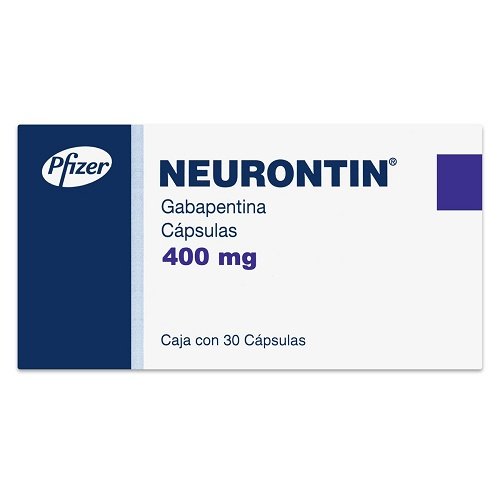
Can Neurontin Be Obtained Without a Prescription in United Kingdom?
No, Neurontin (gabapentin) is a prescription-only medicine in the United Kingdom. It cannot be legally obtained without a prescription from a registered healthcare professional. Pharmacies, whether online or local, require a valid prescription to dispense Neurontin.
Key Takeaways: Neurontin Use in United Kingdom
- Neurontin is most suitable for: adults and children aged 6 years and older with neuropathic pain or epilepsy, when prescribed by a doctor.
- Prescription required: It is illegal to obtain Neurontin in United Kingdom without a prescription.
- Symptom relief: Many patients notice pain reduction within 1–2 weeks, but maximum benefit may take several weeks.
- Safety risks: May cause drowsiness, dizziness, or mood changes—do not drive or operate machinery until you know how it affects you.
- Seek medical advice: Contact your doctor immediately if you experience severe rash, swelling, or behavioural changes.
- Do not stop suddenly: Abrupt discontinuation can cause withdrawal symptoms or increase seizure risk—always consult your prescriber.
What Is Neurontin and When Is It Prescribed in United Kingdom?
Neurontin is the brand name for gabapentin, a medication primarily used for the management of neuropathic pain and as an adjunct in epilepsy treatment. In United Kingdom, it is often prescribed for conditions such as diabetic neuropathy, post-herpetic neuralgia, and as add-on therapy for partial seizures. Gabapentin has also been used off-label for other forms of chronic pain, though these uses should always be discussed with a specialist.
Neurontin belongs to the category of antiepileptic drugs, but its use in neuropathic pain is supported by clinical guidelines, including those from the NICE (National Institute for Health and Care Excellence).
How Does Neurontin Work? Mechanism of Action Explained Simply
Neurontin (gabapentin) is a structural analogue of gamma-aminobutyric acid (GABA), a naturally occurring neurotransmitter in the brain. Despite its similarity, it does not bind directly to GABA receptors or enhance GABAergic transmission. Instead, gabapentin binds to the alpha-2-delta (α2δ) subunit of voltage-gated calcium channels in the central nervous system. By doing so, it reduces the release of excitatory neurotransmitters such as glutamate, norepinephrine, and substance P. This modulation dampens the abnormal electrical activity in nerve cells associated with neuropathic pain and epilepsy.
Metaphor: Imagine nerve pain as a faulty electrical signal in a house’s wiring. Gabapentin acts like an electrician who installs a dimmer switch, reducing the nerve’s overactivity and thus lessening pain or preventing seizures. It works irrespective of external triggers, but its full effect often builds with consistent use over days to weeks.
When Expectations Differ from Reality: Patient Perceptions of Neurontin Therapy
As a clinician, I’ve noticed that many patients expect immediate pain relief when starting Neurontin, often comparing it to fast-acting painkillers. However, the reality is more nuanced. Neuropathic pain generally responds gradually; it may take several weeks before patients notice significant improvement. During this period, some patients doubt the medication’s effectiveness or discontinue use prematurely. Another common misconception is that increased dosing always equals better results, whereas exceeding the recommended maximum can increase side effects without improving efficacy. Patients seldom ask about long-term management or the importance of addressing underlying causes, focusing mainly on short-term relief. As a result, open communication about treatment goals and realistic timelines is vital for success.
How Is Neurontin Taken? Dosage, Timing, and Duration Details
Gabapentin is available in United Kingdom as tablets, capsules, and oral solutions, with typical strengths of 100 mg, 300 mg, and 400 mg. The dosing depends on the indication, age, and individual tolerance.
- Neuropathic pain (adults): The usual starting dose is 300 mg on day one, 300 mg twice daily on day two, and 300 mg three times daily on day three. The dose may be gradually increased to a maximum of 3,600 mg per day, divided into three doses, as tolerated.
- Epilepsy (adults and children over 6 years): Starting dose and titration vary, but do not exceed 3,600 mg/day.
- Elderly or those with kidney problems: Lower starting doses and slower titration are required; dose adjustments depend on renal function.
Tablets and capsules should be swallowed whole with water—do not crush or split unless advised by your pharmacist. The peak effect is usually reached within 2–3 hours after dosing, but pain relief may require ongoing therapy for several days or weeks to be fully apparent. If you miss a dose, take it as soon as you remember, unless it’s almost time for your next dose—never double up.
How Does Food, Alcohol, and Lifestyle Affect Neurontin?
Gabapentin may be taken with or without food. Food does not significantly impact absorption, although a high-fat meal may slightly delay the onset of action by 1–2 hours, but not its overall effect.
- Alcohol: Should be avoided during Neurontin therapy. Combining gabapentin with alcohol increases the risk of sedation, dizziness, and breathing difficulties. There is no established “safe” amount—complete abstinence is advised.
- Grapefruit juice: Does not affect gabapentin metabolism, unlike with some other medications.
- Driving and machinery: Neurontin may cause drowsiness or dizziness, particularly when starting or increasing the dose. Do not drive or operate heavy machinery until you know how it affects you, as impaired performance is a legal and safety risk in United Kingdom.
There is no evidence that caffeine, nicotine, or moderate exercise interact adversely with Neurontin, but discuss any significant lifestyle change with your prescriber.
Who Should Not Take Neurontin? Absolute and Relative Contraindications
Neurontin is generally well-tolerated but is contraindicated in individuals with known hypersensitivity to gabapentin or any excipients in the formulation. Use is also restricted or requires caution in certain groups:
- Absolute contraindications: Hypersensitivity to gabapentin or product ingredients.
- Relative contraindications (use with caution):
- Severe renal impairment (dose adjustment required; consult a nephrologist).
- History of substance misuse or current risk of dependence.
- Severe respiratory conditions (risk of respiratory depression, especially with concurrent opioid use).
- Pregnancy and breastfeeding (should only be prescribed after careful risk-benefit assessment; consult a specialist).
- Recent episode of acute pancreatitis.
After a heart attack or stroke, gabapentin may be used if clinically indicated, but only under close medical supervision.
What Side Effects Are Most Common with Neurontin?
The following adverse effects use the World Health Organization (WHO) frequency classification:
- Very common (>1 in 10):
- Drowsiness, dizziness
- Peripheral oedema (swelling of legs/arms)
- Common (1 in 100 to 1 in 10):
- Fatigue, ataxia (clumsiness)
- Weight gain
- Blurred vision
- Nausea, vomiting
- Dry mouth
- Infections (e.g. viral, respiratory)
- Mood changes (anxiety, irritability, depression)
- Uncommon/Rare (<1 in 100):
- Serious allergic reactions (rash, swelling, breathing difficulty—seek emergency help)
- Thoughts of self-harm or suicide
- Severe muscle pain or weakness
- Pancytopenia or blood disorders (very rare)
If you experience severe rash, swelling of the face/throat, breathing difficulties, or mood/behavioural changes, stop the medication and seek urgent medical attention. For mild side effects, contact your doctor or pharmacist for guidance. Do not stop gabapentin suddenly without medical advice, as this may trigger withdrawal symptoms or seizures.
What Are the Most Common Patient Mistakes When Using Neurontin?
- Stopping the medication abruptly: Many patients stop taking Neurontin as soon as they feel better, which increases the risk of withdrawal symptoms and, in people with epilepsy, seizure recurrence. Tip: Always taper off slowly under medical supervision.
- Doubling up after a missed dose: Taking extra doses to “catch up” can lead to overdose symptoms such as severe drowsiness or confusion. Tip: Skip the missed dose if it’s almost time for the next one—never double up.
- Ignoring dose adjustments for kidney problems: Patients with impaired renal function may continue standard dosing, risking toxicity. Tip: Ensure your doctor is aware of any kidney issues for appropriate dose adjustment.
- Combining with alcohol or sedatives: This increases the risk of serious drowsiness, falls, and respiratory depression. Tip: Avoid alcohol and always check with your doctor before starting any new medication.
- Using old prescriptions or sharing medication: Taking Neurontin prescribed for someone else, or using outdated prescriptions, is unsafe and illegal. Tip: Use only medication prescribed for you and check expiry dates.
- Not monitoring for mood changes: Some patients ignore or hide symptoms of depression or irritability. Tip: Report any new or worsening mood symptoms to your doctor promptly.
How Does Neurontin Compare with Alternatives for Neuropathic Pain?
Several medications are used for neuropathic pain in United Kingdom, including amitriptyline, pregabalin (Lyrica), and duloxetine. Each has unique benefits and drawbacks. The following table offers an at-a-glance comparison:
| Medication | Onset Speed | Duration of Action | Common Side Effects | Cost per 100 mg (GBP) | Prescription Required |
|---|---|---|---|---|---|
| Neurontin (gabapentin) | 1–2 weeks (gradual) | 6–8 hours | Drowsiness, dizziness, swelling | £0.04–£0.07 | Yes |
| Pregabalin (Lyrica) | 1 week (often faster) | 6–8 hours | Dizziness, weight gain, blurred vision | £0.20–£0.35 | Yes |
| Amitriptyline | 2–4 weeks | 12–24 hours | Dry mouth, constipation, sedation | £0.03–£0.06 | Yes |
| Duloxetine | 2–6 weeks | 12–24 hours | Nausea, dry mouth, sweating | £0.10–£0.25 | Yes |
Bottom line: Gabapentin is often tried first due to its safety profile and affordability, but some patients respond better to alternatives. Discuss options with your pain specialist.
Neurontin: Product Characteristics at a Glance
| Active Ingredient | Gabapentin |
| Available Strengths | 100 mg, 300 mg, 400 mg (capsules/tablets); 50 mg/mL (oral solution) |
| Formulations | Capsules, tablets, oral solution |
| Route of Administration | Oral |
| Half-life | 5–7 hours in healthy adults (may be longer in elderly or kidney impairment) |
| Storage | Below 25°C, original packaging, away from moisture/light |
| Shelf Life | 2 years (check package expiry date) |
| Prescription Required | Yes |
Pharmacokinetics of Neurontin: Absorption, Metabolism, and Elimination
After oral administration, gabapentin is absorbed in the small intestine via a saturable L-amino acid transport system. Peak plasma concentrations are reached within 2–3 hours. Gabapentin is not significantly metabolised by the liver and does not induce or inhibit hepatic enzymes. Instead, it is excreted unchanged by the kidneys. The elimination half-life is typically 5–7 hours in healthy adults but may be extended in elderly individuals or those with renal impairment. Therefore, dose adjustments are essential in those populations.
Since gabapentin does not rely on liver enzymes for metabolism, it tends to have fewer drug-drug interactions compared with many other medications.
Compatibility Check: Can Neurontin Be Combined with Other Medicines?
| Type of Product | Can It Be Combined? | Consequences |
|---|---|---|
| Paracetamol | Yes | Safe; no major interaction |
| Ibuprofen | Yes | Safe; no major interaction |
| Opioid painkillers (e.g., codeine) | Caution | Increased risk of sedation, breathing problems |
| Alcohol | No | May increase sedation, accidents, respiratory depression |
| Antacids (with aluminium or magnesium) | Caution | May reduce absorption of gabapentin—separate by at least 2 hours |
| Combined oral contraceptives | Yes | No known clinically significant interaction |
Step-by-Step: How to Obtain Neurontin Safely in United Kingdom
- Consultation: Schedule an appointment with your GP or a pain specialist (in cities such as London, Manchester, Birmingham, or via NHS-approved telehealth).
- Medical assessment: The doctor will take a full history and may carry out physical examinations or request tests to determine if Neurontin is appropriate.
- Prescription issuance: If indicated, the doctor will provide a paper or electronic prescription. In United Kingdom, electronic prescriptions are increasingly common.
- Pharmacy fulfilment: Take your prescription to a registered pharmacy or use a GPhC-accredited online pharmacy. Pharmacists may check for interactions and provide usage advice.
- Ongoing monitoring: Attend follow-up appointments as scheduled to assess efficacy and side effects. Adjustments are made based on your response.
What Patients Most Often Ask doctor About Neurontin in Practice
-
How soon will I know if Neurontin is helping my pain?
In most cases, you may start to notice some benefit within 1–2 weeks, but achieving full effect can take up to a month. If you don’t see improvement after a fair trial, let me know so we can reassess your treatment plan. -
What should I do if I feel sleepy or dizzy during the day?
These side effects are common, especially when starting or increasing your dose. Try taking Neurontin in the evening or before bed and avoid hazardous activities until you know your reaction. If these symptoms persist or worsen, contact me to discuss dose adjustments. -
Can I take Neurontin long-term, and is it safe?
Many patients use Neurontin for months or even years, especially for chronic pain. Regular monitoring is key to ensuring safety and ongoing benefit. We’ll review your therapy at each visit to confirm it’s still appropriate. -
Do I need regular blood tests while on Neurontin?
Routine blood monitoring isn’t usually required unless you have kidney problems or are taking other medications that affect kidney function. However, blood tests may be ordered if you develop unexpected symptoms. -
Will Neurontin interact with my other medications?
Gabapentin has fewer interactions than many other drugs but always provide a full list of your medicines. I will check for possible interactions before you start. -
What happens if my pain returns after stopping Neurontin?
If symptoms relapse, don’t restart treatment on your own. Contact me for reassessment—sometimes, other therapies may be more suitable or a different dose may be needed. -
Is there a risk of becoming dependent on Neurontin?
Gabapentin can cause dependence or withdrawal in some cases, especially with high doses over long periods. We minimise this risk by prescribing the lowest effective dose and tapering gradually when stopping.
Country-Specific Guide: How to Identify Legitimate Online Pharmacies in United Kingdom
With the growth of online pharmacies, patient safety is more important than ever. In United Kingdom, only pharmacies registered with the General Pharmaceutical Council (GPhC) may legally sell prescription medicines online. Always look for the official GPhC distance-selling logo and verify the registration number on the GPhC website before making any purchase.
- Legitimate pharmacies: Require a valid prescription, display clear registration details, and provide pharmacist support.
- Warning signs of unsafe sellers:
- No prescription required
- Prices far below UK market rates
- Omission of GPhC registration or unclear contact information
- Medicines shipped from outside the UK without proper customs paperwork
- Risks of unregulated pharmacies: Counterfeit medicines, product recalls, lack of professional oversight, and possible legal consequences.
To protect yourself, use only GPhC-accredited online pharmacies and report suspicious websites to MHRA.
How to Spot Counterfeit Neurontin and Understand Generics vs Originals
Counterfeit medicines are a real risk, especially through unregulated sources. Genuine Neurontin (gabapentin) in United Kingdom comes in professionally printed blister packs or bottles, with the brand and strength clearly marked. Packaging should include a batch number, expiry date, manufacturer information, and often a QR code or hologram for authentication.
- Signs of counterfeit products:
- Packaging errors (misspelt words, blurry printing, missing batch or expiry dates)
- Pills that differ in colour, shape, or embossing from your usual supply
- Unusually low price offers
- Absence of patient information leaflet or poor-quality inserts
Generics vs originals: Gabapentin is available as both branded Neurontin and generic versions (by Accord Healthcare, Milpharm, TEVA, etc.). Generics must meet the same strict standards for quality, efficacy, and safety as the original. The main differences are price and sometimes the filler ingredients (excipients), which may rarely cause allergic reactions in sensitive individuals. If you have known allergies, discuss with your pharmacist before switching brands.
Quality Check: What Should Genuine Neurontin Look Like in United Kingdom?
- Tablet/capsule appearance: Capsules are usually white or yellowish with clear strength markings (e.g., “GP 300”).
- Packaging: Sealed blisters or bottles, with the manufacturer’s logo and product name.
- Labelling: Should be in English, with a UK product licence (PL) number visible.
- QR code or hologram: Present on many packs—scan to verify authenticity via the manufacturer’s or pharmacy’s system.
- Patient information leaflet: Always included—check for up-to-date contact and safety information.
What Should I Do If I Overdose on Neurontin?
- Stop taking the medication immediately.
- Call 999 or seek emergency medical help in United Kingdom.
- Inform the responding medical professionals: Provide details of the amount, timing, and any symptoms experienced.
- Do not induce vomiting unless told to do so by a healthcare provider.
- Keep the packaging with you for reference in hospital.
Symptoms of overdose may include severe drowsiness, double vision, slurred speech, lethargy, diarrhoea, or difficulty breathing. Early intervention is vital.
Neurontin in Special Populations: What Do Patients with Chronic Illness, Elderly, or Those Planning a Family Need to Know?
- Elderly: More susceptible to drowsiness and coordination problems. Lower starting doses and slow titration are recommended.
- Kidney disease: Gabapentin is excreted via the kidneys. Dosage must be reduced to prevent toxicity.
- Liver disease: No significant impact on metabolism, making gabapentin relatively safe in mild/moderate liver dysfunction.
- Pregnancy and breastfeeding: Use only if benefits outweigh risks. Discuss with your doctor—gabapentin can cross the placenta and into breast milk. Register with the UK Epilepsy and Pregnancy Register if using during pregnancy.
- Driving and machinery: Increased risk of impairment; observe the law and err on the side of caution.
- Fertility: No definitive evidence that gabapentin affects fertility, but data are limited.
Always inform your doctor about your full medical history before starting Neurontin.
Myth vs Reality: Does Neurontin Cure Neuropathic Pain or Just Relieve Symptoms?
-
Myth: Neurontin cures the underlying cause of nerve pain.
Reality: Neurontin does not cure neuropathy; it reduces pain signals. Addressing the root cause (e.g., diabetes control) remains essential. -
Myth: The higher the dose, the better the effect.
Reality: Above a certain threshold, higher doses increase side effects without substantially improving pain relief. -
Myth: If Neurontin doesn’t work in a few days, it’s not worth continuing.
Reality: Some patients need several weeks to see full benefit—stick with the prescribed plan unless advised otherwise.
What Should I Do If Neurontin Does Not Work for Me?
If you have taken Neurontin as prescribed for several weeks without improvement, or if side effects outweigh the benefits, contact your prescribing doctor. Alternative medications, non-drug therapies, or referral to a pain specialist may be appropriate. Never increase or stop the dose on your own.
Psychological Support: Managing Neuropathic Pain Is a Journey
Living with neuropathic pain can be challenging and, at times, isolating. Remember, you are not alone—millions experience similar symptoms in United Kingdom. Discussing your experience with your GP, pain specialist, or support groups can provide valuable coping strategies and emotional support. Open dialogue with family members or friends may also help you manage day-to-day challenges more effectively.
doctor’s Clinical Assessment: When Is Neurontin the Right Choice?
In my clinical practice, Neurontin is most beneficial for adults with moderate-to-severe neuropathic pain—particularly following nerve injury, diabetes, or shingles—when traditional painkillers have failed. It is also valuable as an adjunct therapy in partial epilepsy, especially when other antiepileptics are insufficient or poorly tolerated. However, it is less suitable for patients with a history of gabapentinoid misuse, severe kidney impairment, or those with little evidence of neuropathic pain (such as mechanical or inflammatory pain alone). For individuals with chronic pain and significant mood disturbance, duloxetine or amitriptyline may be preferable due to dual pain and mood benefits. Regular reassessment is essential: if Neurontin does not provide meaningful relief after a fair trial, or if adverse effects are troublesome, I strongly consider tapering and switching to alternatives.
Frequently Asked Questions (FAQ): Neurontin in United Kingdom
- Is Neurontin (gabapentin) effective for all types of pain?
- No, Neurontin is specifically indicated for neuropathic pain (e.g., nerve injury, shingles, diabetes-related pain) and is not recommended for typical muscle or joint pain. Effectiveness varies between patients and pain types.
- Do I need a prescription to get Neurontin in United Kingdom?
- Yes, Neurontin is a prescription-only medicine. It is illegal to obtain it without a prescription from a UK-registered healthcare professional.
- How much does Neurontin cost in United Kingdom?
- The cost varies, but generic gabapentin is generally inexpensive, with prices around £0.04–£0.07 per 100 mg tablet. NHS prescriptions are subject to standard charges unless you are exempt.
- Can I order Neurontin online?
- Yes, but only through licensed online pharmacies that require a valid UK prescription and display GPhC accreditation. Avoid websites offering Neurontin without a prescription.
- What should I do if I miss a dose?
- Take it as soon as you remember, unless it’s almost time for your next dose. Never take two doses at once. If in doubt, ask your pharmacist.
- Are there serious side effects to watch for?
- Yes—seek immediate help for severe rash, swelling, difficulty breathing, or thoughts of self-harm. Common side effects include drowsiness, dizziness, and swelling.
- Can Neurontin be used during pregnancy?
- Gabapentin should be used during pregnancy only if clearly needed and after consultation with a specialist. Always discuss risks and benefits with your doctor.
- What happens if I stop taking Neurontin suddenly?
- Stopping abruptly may cause withdrawal symptoms or seizures. Always taper off gradually under medical supervision.
- Is there a risk of dependency with Neurontin?
- There is a small risk, particularly with prolonged high-dose use. Your doctor will monitor you and adjust treatment as necessary.
- Are generics as good as the original Neurontin?
- Yes, UK-licensed generics meet the same quality standards as the original. The choice depends on availability, cost, and tolerance of inactive ingredients.
References
- NHS: Gabapentin Overview
- NICE Clinical Guideline CG173: Neuropathic Pain in Adults
- European Medicines Agency: Neurontin (gabapentin) EPAR
- Moore RA, et al. Gabapentin for chronic neuropathic pain in adults. Cochrane Database Syst Rev. 2021
- General Pharmaceutical Council (GPhC)
- Medicines and Healthcare Products Regulatory Agency (MHRA)
- NHS Prescription Cost Analysis